How it works
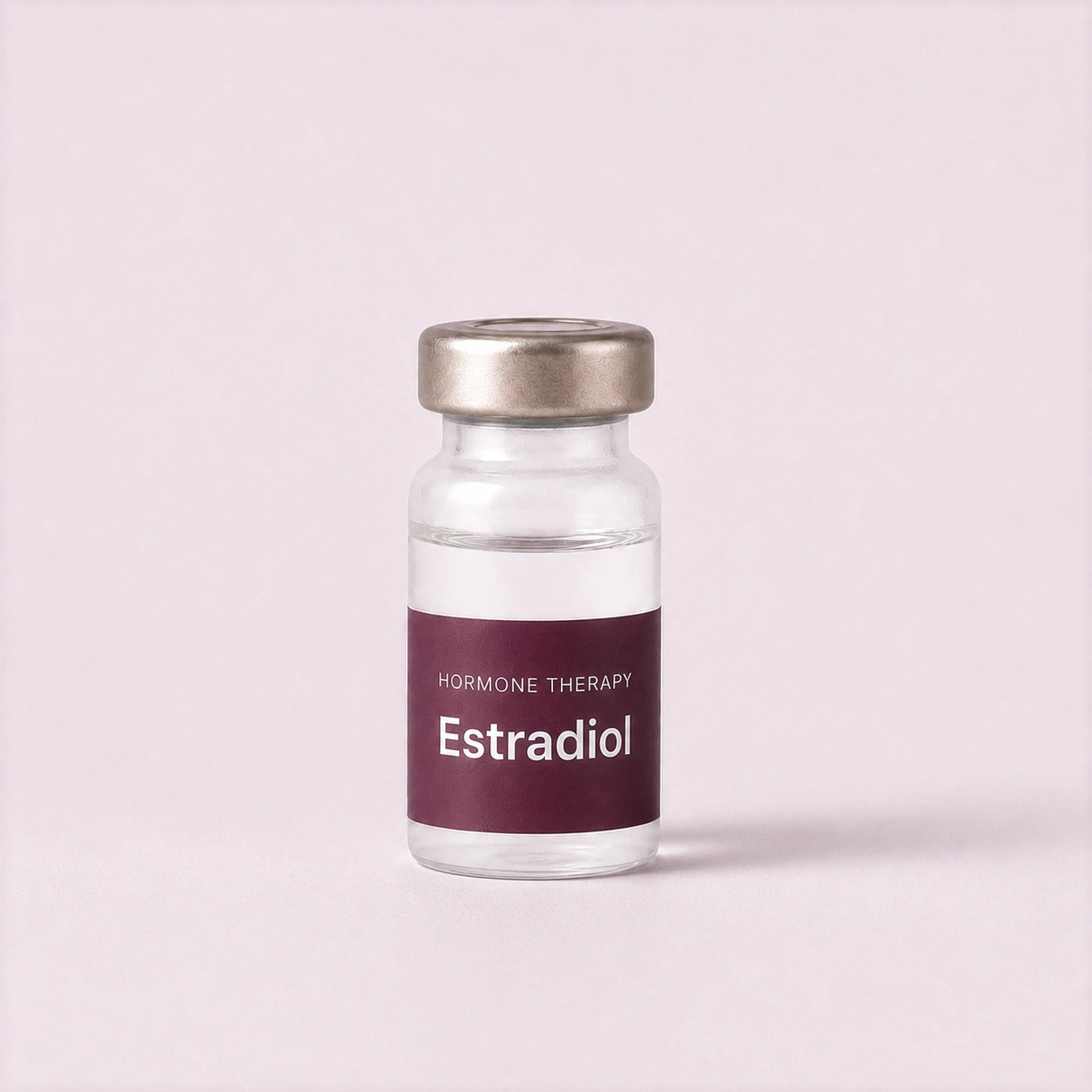
Bioidentical means it has the exact same structure as the hormone your body makes. Estradiol attaches to estrogen receptors (ERα, ERβ) all over the body. This brings back the estrogen signals lost in perimenopause and menopause. It affects the brain, hot flashes and night sweats, bone renewal, and the tissues of the vagina and urinary tract.
The evidence
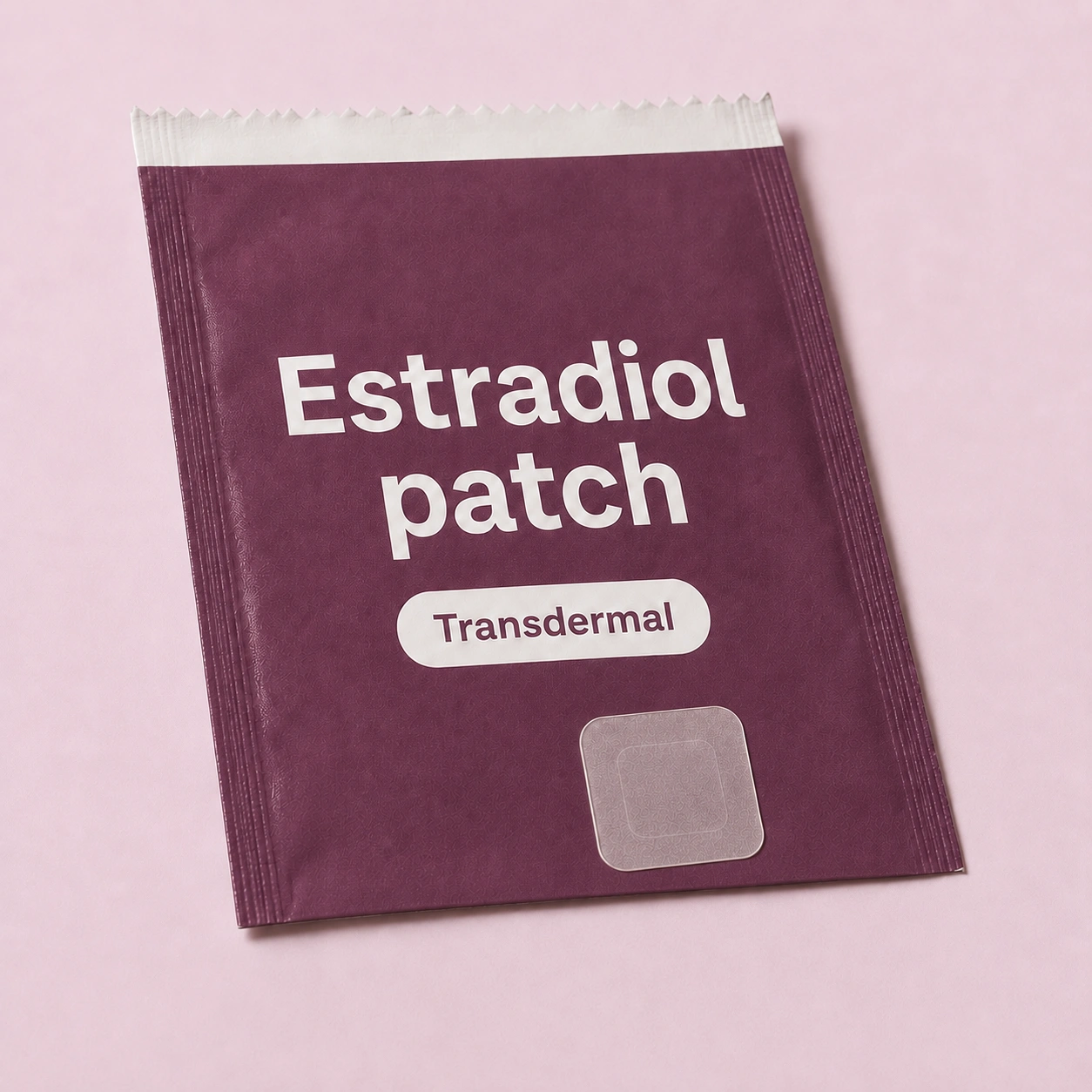
Large studies, including the Women's Health Initiative (WHI) and later re-analyses, support hormone therapy (HRT) for hot flashes and bone health. The support is for HRT started within 10 years of menopause. Through-the-skin (transdermal) forms skip the liver's first pass, and they may carry a lower clot risk than estrogen pills. No form of estrogen is risk-free.
Typical dosing
Skin patches: 0.025–0.1 mg/day. Pills: 0.5–2 mg/day. If you still have your uterus, it's always paired with progesterone (oral micronized).
Side effects
Common
- Breast tenderness
- Spotting (early on)
- Bloating
- Mood changes
Less common
- Headaches
- Nausea
Rare
- Blood clots in the veins (higher risk with pills)
- Liver effects that slow bile flow (cholestasis)
Drug interactions
- CYP3A4 inducers (rifampin, St. John's Wort): may make it work less well
- Blood thinners: monitoring may need to change
- Thyroid hormone: your dose may need to change