On this page
The short answer
If you’re under 60 and within about 10 years of your last period, estrogen therapy is the most effective treatment for hot flashes. No non-hormonal option matches it in trials of FDA-approved products. It also has real risks, so the choice depends on your health history. Everything else on this page is either a fallback for when estrogen isn’t right for you or something you add on top.
That ranking follows from what a hot flash actually is.
One flush, two very different fixes
A hot flash starts in the hypothalamus, the part of your brain that works like a thermostat and decides when you’re too warm.
Estrogen keeps that thermostat’s comfort zone wide. As estrogen falls in menopause, the zone shrinks to almost nothing. Now a fraction of a degree of inner warming sets off the full heat-dumping response, so you flush, sweat, and then feel chilled.
Further upstream, a group of brain cells called KNDy neurons loses its estrogen brake and fires harder. These cells signal through a chemical called neurokinin B, which acts on the NK3 receptor.
That explains why two drugs that seem like opposites both work. Estradiol restores the estrogen signal and widens the comfort zone again. Fezolinetant ignores estrogen entirely and blocks the NK3 receptor further down the line. It’s the same circuit with two entry points.
The options, ranked
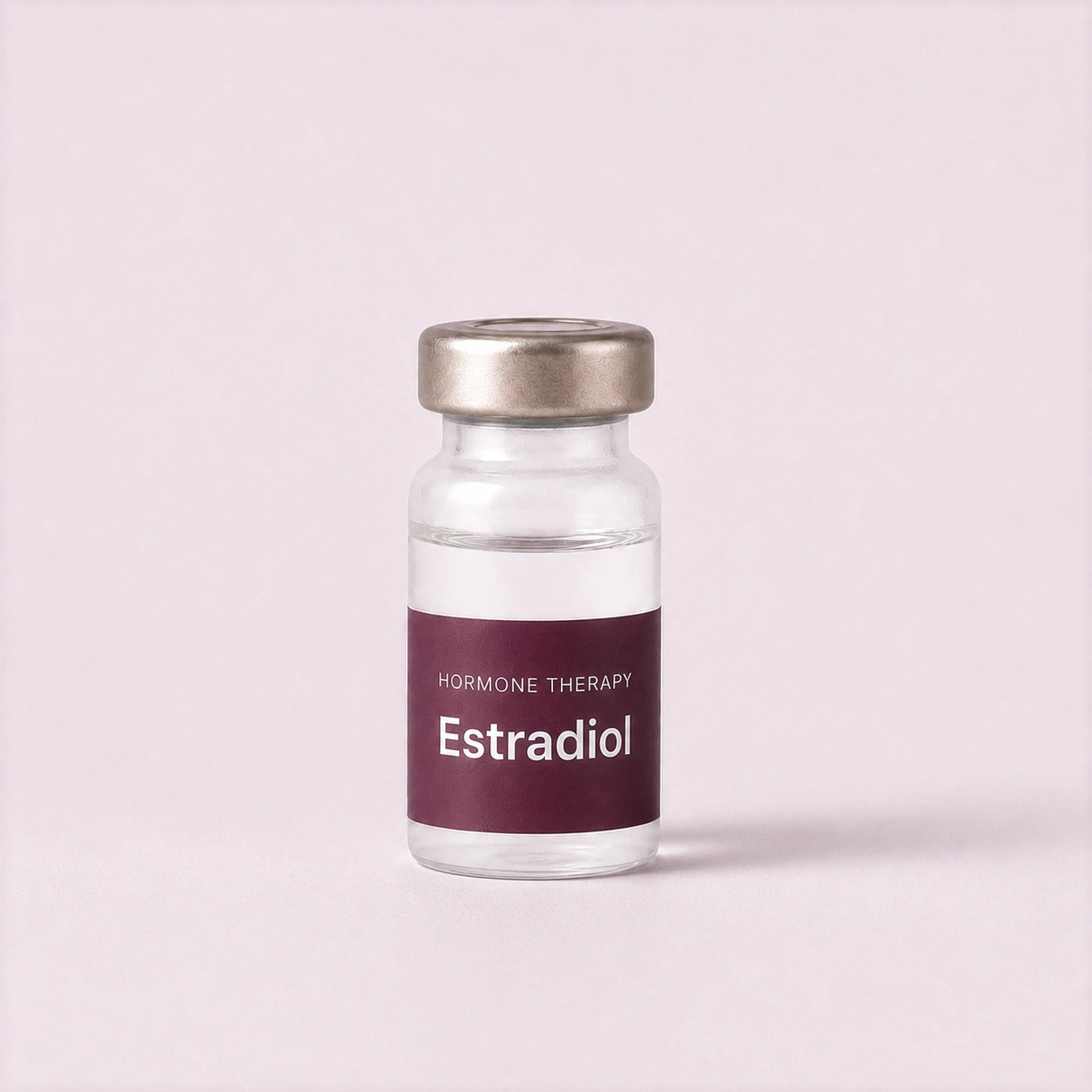
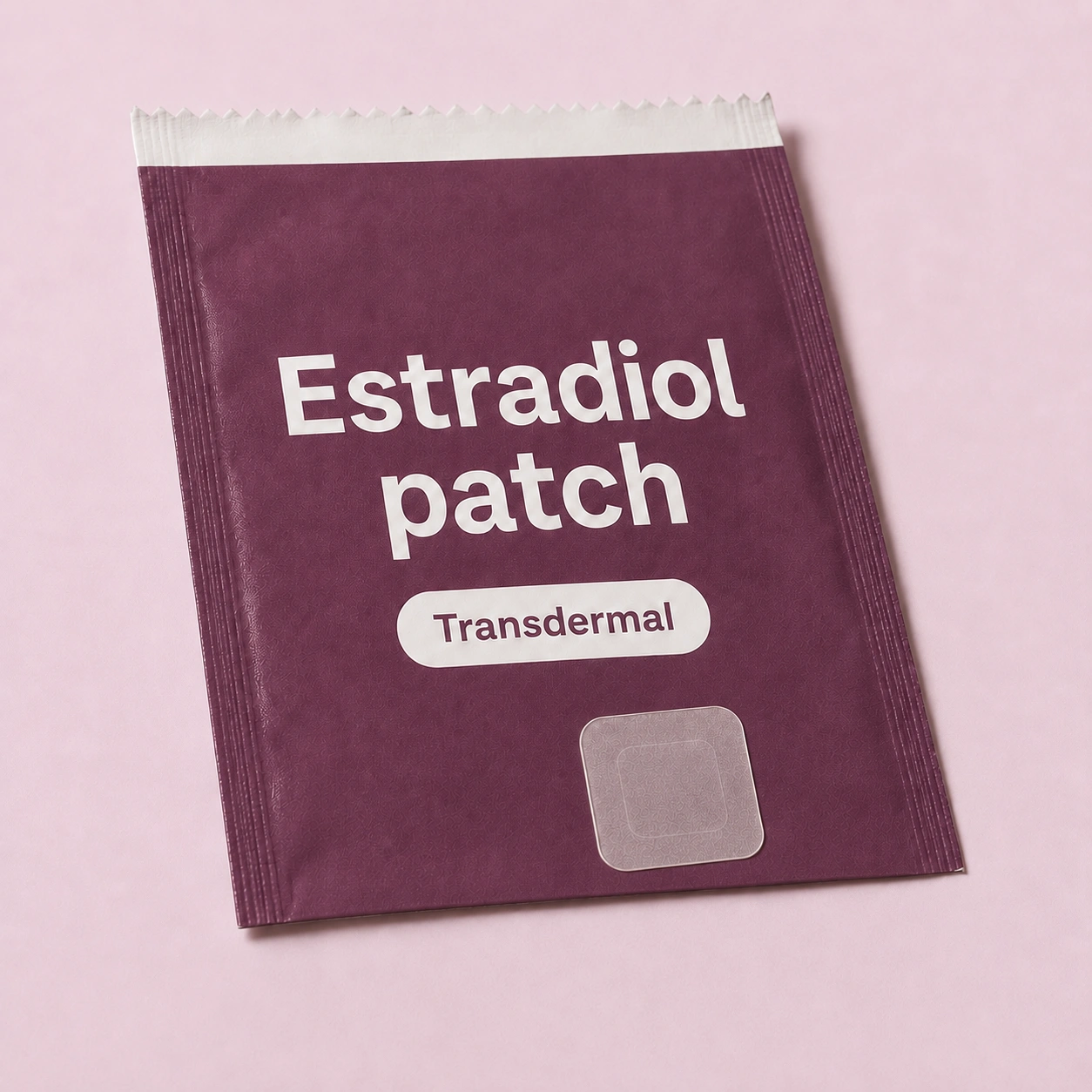
Estradiol (pill or skin patch): first choice. It reduces how often hot flashes happen, and how severe they are, more than any non-hormonal option. If you still have your uterus, you add progesterone to protect the endometrium (the uterine lining), and that part isn’t optional.
Many clinicians lean toward the patch. It skips the first pass through the liver that a pill makes, and it may carry a lower risk of blood clots, though it isn’t risk-free. That’s a common reason to choose the patch if you have any clot risk.
Hormone therapy has risks to weigh with your clinician. They include blood clots, stroke, and, with longer use of estrogen plus a progestogen, a small rise in breast cancer risk. Your age, time since menopause, and personal and family history change how large those risks are for you. It isn’t right if you’ve had breast cancer, a blood clot, a stroke, or unexplained vaginal bleeding. Call your clinician about any bleeding after menopause.
Fezolinetant (Veozah): first choice without hormones. The FDA approved it in 2023 for moderate to severe hot flashes. It exists for women who can’t or won’t take estrogen, whether because of a hormone-sensitive cancer, a history of blood clots, or personal choice. It’s newer and more expensive, and it needs liver blood tests before you start and periodically after. That’s a real barrier if you already have liver disease.
Elinzanetant (Lynkuet): another option without hormones. The FDA approved it in October 2025 for moderate to severe hot flashes from menopause. It blocks both the NK1 and NK3 receptors. It can cause sleepiness, so it’s taken at bedtime. Ask your clinician how it compares with fezolinetant for you.
Paroxetine 7.5 mg (Brisdelle): a non-hormone backup with FDA approval. It’s the only SSRI (a type of antidepressant) the FDA has approved for hot flashes. Its effect is partial. It’s a fair choice if hormones are off the table and you’d rather not start fezolinetant.
Gabapentin: for nighttime. Its sedation is the point. Taken at bedtime, it blunts the night sweats that wreck your sleep. How it works on hot flashes isn’t well established, so use it for that nighttime pattern rather than as a general first choice.
What you can add on top
Lifestyle changes don’t replace the medicines, but they’re free and they add up:
- Find and cut your own triggers. Common ones are alcohol, caffeine, spicy food, and hot rooms. Keeping a trigger journal for two weeks works better than guessing.
- Dress in layers of natural fabrics you can take off. Keep your bedroom cold.
- Try a cooling pillow. It’s about $30 and doesn’t interact with any medicine.
None of this changes your brain’s thermostat setting, but it means you cross it less often.
What isn’t worth your money
Skip black cohosh, evening primrose oil, and most “menopause support” supplements. The trial evidence for them is weak or shows no effect, and that’s why we don’t sell them. They aren’t risk-free either. Black cohosh has been linked to rare cases of liver injury. And they don’t do what the label implies. If a supplement worked as well as estradiol, it would be a drug.
What Zappy offers
Zappy offers an estradiol + progesterone plan and an estradiol patch. The estradiol + progesterone plan is compounded. Compounded medicines are not FDA-approved, and the research on hormone therapy was done with FDA-approved products. FDA-approved hormone products are available too, and they’re worth asking about. A clinician reviews your health history before prescribing anything.
What’s still unsettled
Whether estrogen works isn’t the question. The open question is how long to stay on it. When does the balance of benefit and risk turn for a given woman? That’s still decided person by person rather than by one clean trial. It’s something to talk through at your yearly review, not a number you can look up.
Takeaways
- Evidence and expert guidelines: Estrogen is the most effective treatment for hot flashes. Fezolinetant and elinzanetant are FDA-approved options without hormones.
- Expert guidelines: Most healthy women under 60, and within 10 years of when menopause started, can consider hormone therapy (HRT) after weighing their own risks. If you still have your uterus, you also need progesterone.
- Our clinical position: Ask about the patch if you have any clot risk. Treat the supplement aisle as doing nothing. Add lifestyle changes to whatever medicine you choose.
Not sure which group you’re in? Start with the quiz.