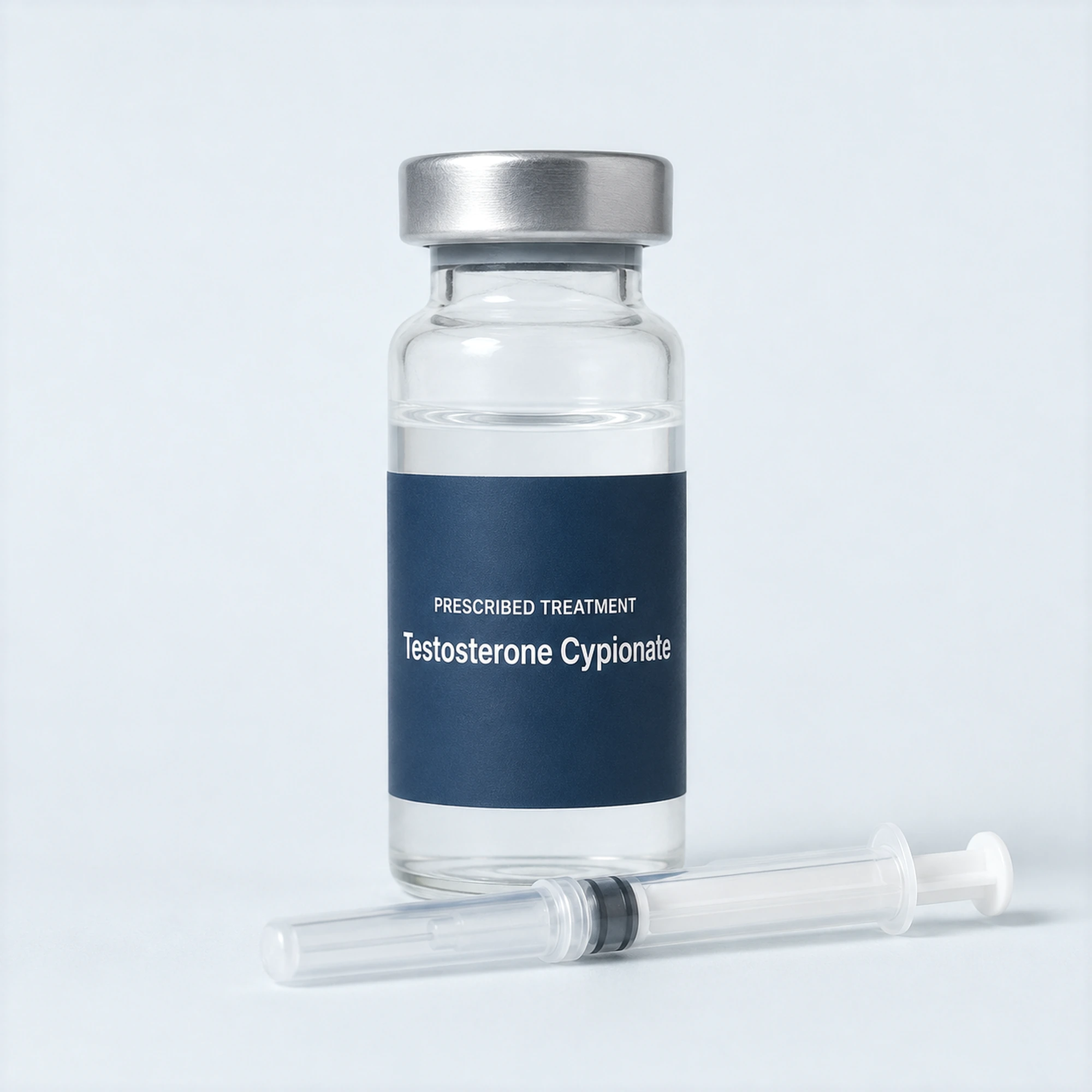
Testosterone
Bioidentical testosterone replacement, only after symptoms and two separate early-morning tests confirm low T. HCG may be added if fertility matters to you, but it doesn't guarantee fertility. Anastrozole is added only if your clinician decides it's needed.
See if I qualifyFrom $103/mo$0 until a clinician approves · FSA/HSA eligible
$0 until a clinician approves.
- Clinician-reviewed in 24 hours
- Free 2-day shipping
- Pause or cancel anytime
To get a prescription, you need an online visit reviewed by a U.S.-licensed provider. Compounded medicines are made by licensed U.S. pharmacies and are not FDA-approved. Results vary from person to person.
Who it’s for
- Symptoms like low sex drive or low energy that a clinician should look into
- Want a prescription based on your blood tests, instead of a guess from symptoms
- OK with a monthly treatment plan you do yourself at home

Most men call it stress for years before they call it anything else.
How it works
Testosterone is the main male hormone. Bioidentical testosterone replacement (TRT) brings levels back up in men with confirmed low T. That means matching symptoms and low levels on two separate early-morning tests. Benefits vary.
Read more
What we can and can't tell you
TRT treats confirmed hypogonadism (your body truly making too little testosterone). Low energy or low sex drive alone doesn't mean your testosterone is low. To qualify, you need matching symptoms and low levels on two separate early-morning tests. Even then, results vary.
- Who makes it A LegitScript-verified 503A compounding pharmacy makes it from your prescription. We never use gray-market or overseas suppliers.
- To what standard USP <797> standards for sterile compounding, and USP <800> standards for handling hazardous drugs, where they apply
Compounded medicines are not FDA-approved. The FDA does not review them for safety or effectiveness. They are not generic versions of any brand-name drug, and they are not equivalent to one.
What the first months look like
Blood work: total and free testosterone, estradiol, and hematocrit. No labs, no prescription.
Weekly shots begin. Any changes come gradually, and they vary from man to man. Your clinician reviews your symptoms and labs over time.
Monitoring includes your testosterone level, hematocrit, and blood pressure, and your prostate when needed. Other tests depend on your situation. Your clinician adjusts your dose based on your numbers and your symptoms.
This is ongoing replacement, with no set end date. Talk with your clinician before you stop. HCG may continue if fertility matters to you, but it doesn't guarantee fertility.
Dosing, step by step
| Testosterone cypionate | Set by your clinician — into the muscle or under the skin; often split into two doses a week for steadier levels |
|---|---|
| HCG (optional) | Only if your clinician decides it's needed — may be used when fertility matters; it doesn't guarantee fertility |
Your clinician sets your dose from your labs and adjusts it after follow-up blood work. The range is a starting point. It isn't a menu to pick from.
And when it gets rough
Show what helps
- Acne It usually shows up early and is easy to manage. Start with basic skin care. If it doesn't go away, your clinician can treat it or change your dose.
- Hematocrit rise This is expected, and we watch it on your labs. A big rise may mean a dose change or phlebotomy (having some blood drawn off). That's why blood work continues while you're on treatment.
- Elevated estradiol This can show up as water retention or tender breasts. Tell your clinician, who can check your levels and adjust your plan.
- Suppressed sperm production TRT can lower sperm production. If having kids matters to you now or later, tell your clinician before you start. HCG may be discussed, but it doesn't guarantee you'll stay fertile.
Safety information
A U.S.-licensed clinician reviews every prescription and decides whether this medicine is right for you. During your visit, tell them if any of the following applies to you or your family.
- Common side effects
- Acne, More red blood cells (higher hematocrit), Mild water retention
- Less common
- Higher estradiol, Worse sleep apnea
- Rare
- Too many red blood cells (polycythemia), needing blood to be drawn off, Lower sperm production
- Interactions
- Blood thinners: higher bleeding risk as hematocrit rises
- Aromatase inhibitors (such as anastrozole): sometimes considered when estradiol runs high. Your clinician decides.
- Insulin: the dose may need to change as your body composition changes
Low energy or a low sex drive alone doesn't mean your testosterone is low. To diagnose it, you need matching symptoms and low levels on two separate early-morning blood tests. Before prescribing, we look for the cause, check for reasons it may be unsafe, and ask about your plans to have children. Testosterone can lower sperm production, and adding hCG doesn't guarantee you'll stay fertile. We monitor testosterone, red blood cell levels (hematocrit), blood pressure, and your prostate when needed. Other tests depend on your situation.

Three steps, no insurance hoops
Take the quiz
About 5 minutes. Tell us your symptoms, history, and goals.
Clinician reviews
A U.S.-licensed clinician looks at your answers within 24 hours. If it's right for you, they write your plan.
Care ships free
Your medication arrives in days. Refills come on their own, and check-ins are included.
Common questions
How much does Testosterone cost?
How is Testosterone taken?
What are the side effects of Testosterone?
Does Testosterone interact with other medications?
Is Testosterone FDA-approved?
Read before you start
From the Zappy clinical team, in plain language.

Care that shows up, and stays.
Ready when you are.
A licensed clinician reviews your visit within 24 hours.
See if I qualify · From $103/mo