On this page
Part of the weight you lose on a GLP-1 is muscle. Only one fix has real evidence behind it: resistance training plus enough protein. The other things people worry about, like BCAAs, cardio, and meal timing, matter much less by comparison.
What the medicine does to your body composition
GLP-1 medicines like semaglutide can create a large calorie deficit, fast. Weight lost that way is never pure fat.
DXA scans measure fat and muscle separately. On DXA, a real share of GLP-1 weight loss tends to be lean mass rather than fat. The exact share varies and depends on how it’s measured. The evidence here is still incomplete, so be wary of any single headline percentage.
What we do know is the cause. GLP-1s turn down appetite through brain circuits in the hypothalamus and hindbrain. They also slow gastric emptying (how fast food leaves your stomach). So you eat less of everything, including protein. Eating less protein during a calorie deficit is the classic setup for losing muscle.
We don’t yet know the long-term effects on strength, mobility, or fall risk years from now. Anyone who gives you an exact number is overselling the data.
Two moves that hold up
Protein comes first. Clinicians managing people through a GLP-1 deficit commonly aim for 1.2–1.6 g of protein per kg of body weight each day. For a 175-lb (79-kg) person, that’s roughly 95–125 g a day. On low-appetite days you won’t get there from meals alone. A protein shake is a real tool here.
Resistance training twice a week is the other half. Your body holds on to muscle during a deficit when that muscle has to work against a load. You don’t need to lift heavy or for long. The standard plan is two 30–45 minute sessions covering a squat, a hinge (like a deadlift), a push, and a pull. Protein without training leaves muscle on the table. So does training without protein. You need both.
What to skip
- BCAAs. If you reach your protein target, extra branched-chain amino acids add nothing, because they’re already in your protein.
- High-volume cardio. Running five days a week while undereating deepens the deficit without the muscle-sparing signal that lifting sends. Walking 8–10k steps a day is plenty.
- Meal timing. Spread protein across the day if that’s easy, but the total amount each day matters more than the timing.
Where testosterone fits, and where it doesn’t
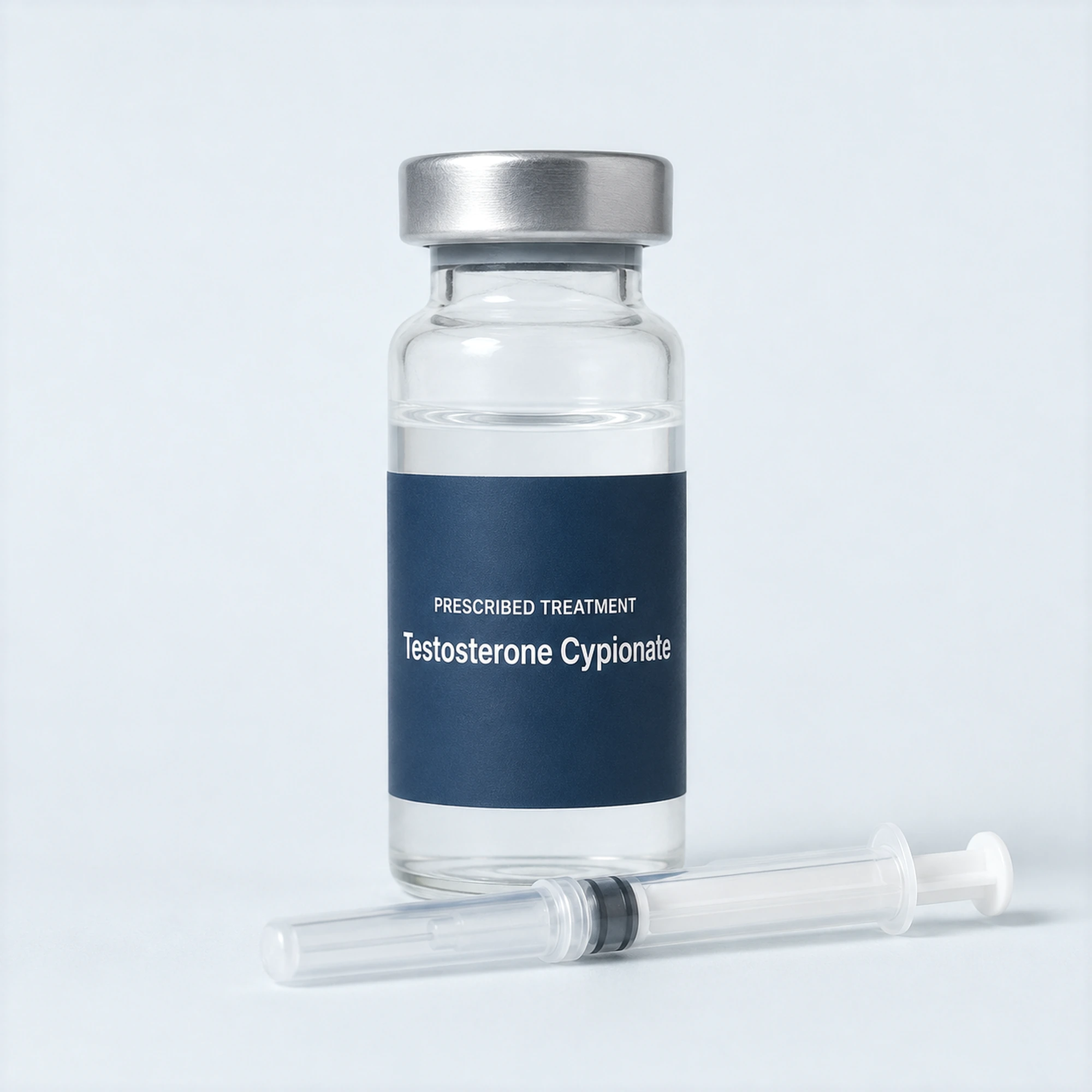
Testosterone isn’t a routine way to protect muscle during weight loss. We don’t know of a trial that tested adding testosterone to a GLP-1. If you have signs of low testosterone, your clinician can check. Treatment only makes sense when tests confirm a true deficiency and it’s safe for you.
Why quitting early hurts
This part is uncomfortable. GLP-1 weight loss usually lasts only while you stay on the medicine. When people stop, much of the weight tends to come back.
Muscle you lose in month two doesn’t automatically come back when the weight does. Regained weight tends to be more fat. That’s the real reason to protect your lean mass from week one. Don’t wait until you notice it’s gone.
The open question is whether resistance training plus higher protein changes long-term function, meaning strength and independence ten years from now. The DXA number alone can’t tell us that, and no trial has shown it yet. That’s the study to watch for.