On this page
The short answer
Tiredness on a GLP-1 can have many causes. Eating and drinking less is a common suspect, since your appetite drops while the dose goes up. But sleep, mood, other medicines, and health problems like low iron or thyroid trouble can all play a part. So it’s worth a real check.
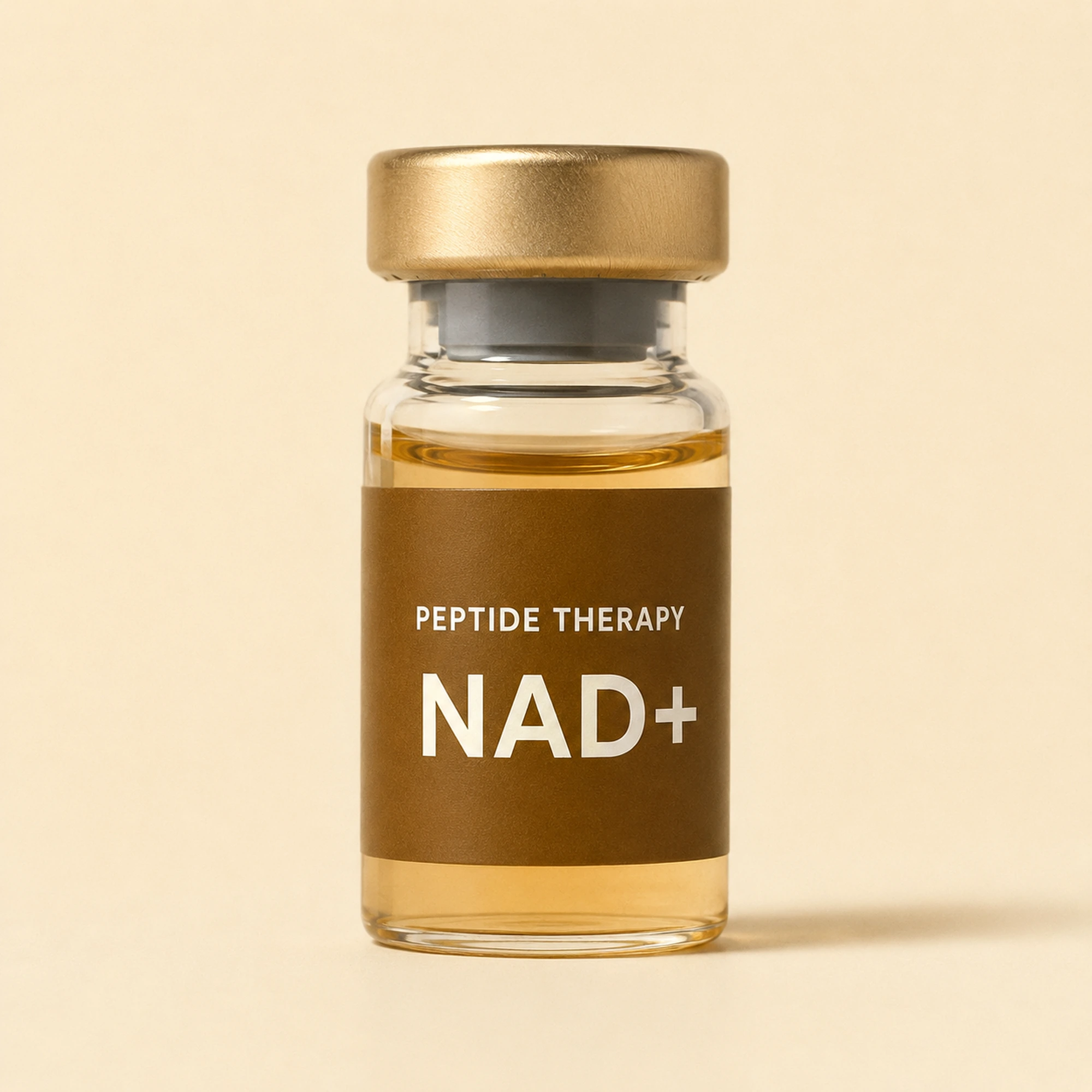
NAD+ is not an established fix for this. It has no trial data for tiredness on a GLP-1.
Why you feel worst during titration
Semaglutide slows gastric emptying (how fast food leaves your stomach) and acts on the brain circuits that control appetite. That much is settled pharmacology. Nausea is the most common side effect, and slower emptying is part of the reason. It tends to cluster during dose escalation and often fades once the dose holds steady.
Some people feel more tired during those same weeks. One idea is that those are the weeks you eat the least. That link is clinical reasoning rather than a trial finding, because no study has measured GLP-1 fatigue directly.
Titration (raising the dose step by step) follows a schedule your clinician sets for your exact product. If you feel wiped out, tell your clinician. Holding or slowing the next step is one option they may consider. Stopping has a cost, because when people come off a GLP-1, much of the weight usually comes back. So talk to your clinician before you stop.
What your clinician looks at
Intake is one place to look. It isn’t the only one.
- Protein. Fast weight loss takes some lean mass (muscle and other non-fat tissue) along with fat. The standard countermeasure is resistance training plus roughly 1.2–1.6 g of protein per kg of body weight each day. Low protein is one possible cause to check.
- Calories. A smaller appetite can push your intake far below what your day actually burns. Eat on a schedule instead of waiting to feel hungry.
- Salt and fluid. Eating less food and fewer carbs can lower your body’s sodium and water. Drink fluids through the day. Ask your clinician before you add extra salt, especially if you have heart or kidney disease or high blood pressure.
- Sleep, mood, and medicines. Poor sleep, low mood, and some other medicines can all leave you drained. Tell your clinician about each one.
If you still feel wiped out, you need a medical workup. A supplement won’t sort it out.
When it’s more than tiredness
One warning before you try to fix things yourself. Some fatigue isn’t a nutrition problem to tinker with. Watch for dizziness when you stand, vomiting that won’t stop, or trouble keeping fluids down. These can point to dehydration or a dose that went up too fast. Call your clinician right away.
Basic lab tests come before trendy injections
Before NAD+, rule out deficiencies that have real fixes:
- B12. If you’re truly deficient, a cheap injection fixes it. That’s a better first step than any peptide.
- Ferritin and iron. Check these especially if you menstruate, because low iron can feel just like drug fatigue.
- Magnesium. Low magnesium causes muscle fatigue that can look like a side effect.
- Thyroid (TSH).
These are standard clinical checks. They’re cheap, the problems are common, and each one points to a treatment.
Where NAD+ fits
We sell NAD+, and there’s still no randomized trial of it for GLP-1 fatigue. It is not an established remedy for tiredness. Zappy’s NAD+ injection is compounded and not FDA-approved, and the FDA has reported reactions after NAD+ injections. If other causes have been checked and you still want to try it, talk it through with your clinician. The benefit is unproven, and any dose would be set for your exact product.
What would settle this
No trial has studied GLP-1 fatigue as its main outcome. None has tested whether it comes from lean-mass loss, an energy deficit, or a direct effect on the brain. Until one does, treat tiredness as something to check, starting with the common causes above.