On this page
Two things have the strongest evidence for visible skin aging, and you can do both at home. Daily broad-spectrum sunscreen helps prevent it. A nightly retinoid can partly improve sun damage that’s already there. Every in-office device builds on that base as an add-on for a specific concern. That includes microneedling, fractional laser, and radiofrequency. The evidence behind those devices is uneven. Here’s the honest ranking.
The base everything else builds on
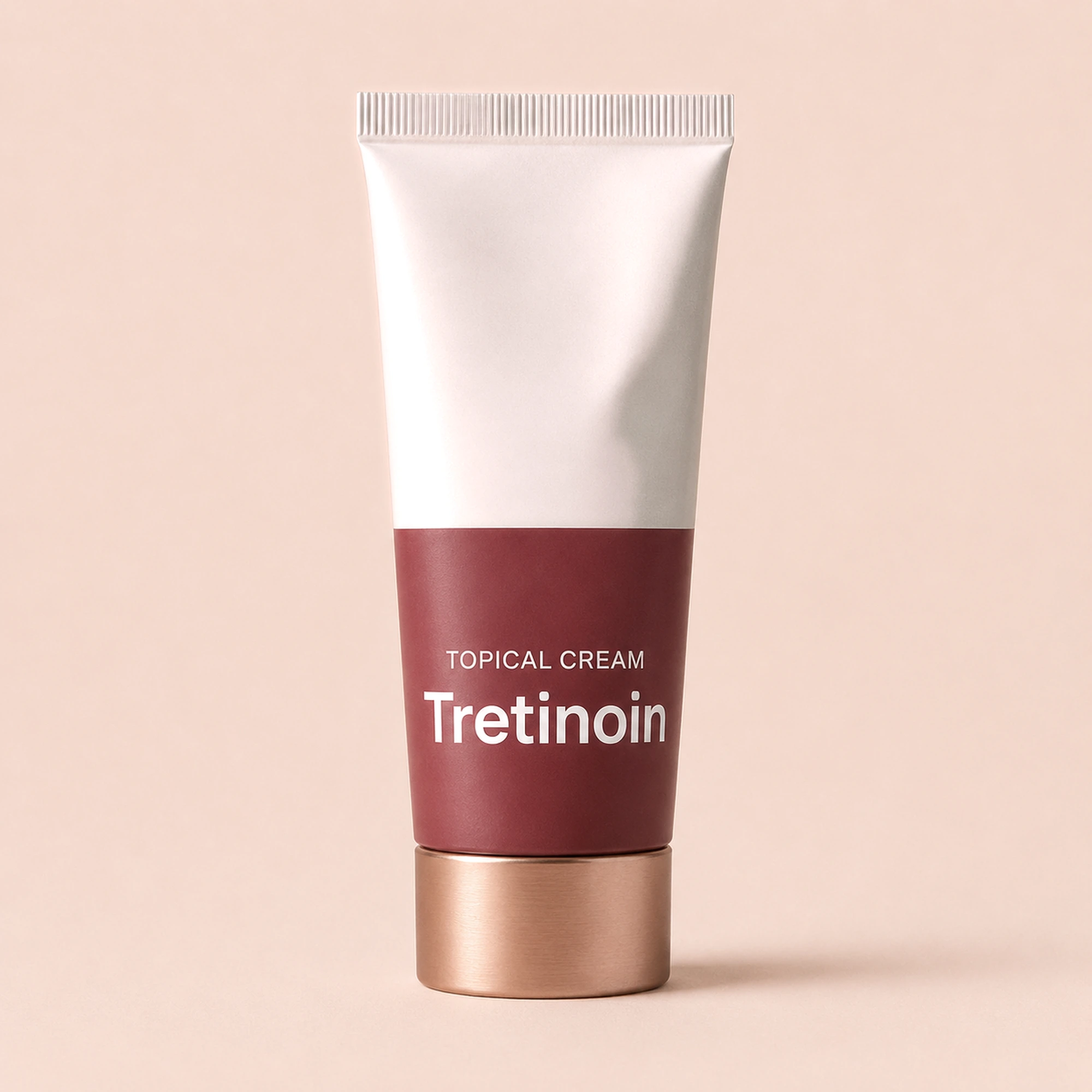
Use a retinoid like tretinoin at night and broad-spectrum SPF in the morning. This is the best-supported base in skin care.
Tretinoin is a retinoid, a form of vitamin A. It acts on receptors in your skin that keep skin cells renewing at a normal pace. It also boosts collagen in the deeper layer of skin. That’s how it can soften fine lines and even out pigment over months rather than weeks. Certain brand-name tretinoin creams, like Renova, are FDA-approved for photoaging (skin aged by the sun). Don’t use a retinoid if you’re pregnant, trying to get pregnant, or breastfeeding, unless your clinician says it’s okay.
Zappy’s tretinoin formula combines tretinoin with azelaic acid and niacinamide. It’s compounded, and compounded medicines are not FDA-approved.
Sunscreen works upstream of all of that. UVA light breaks down the skin’s support structure, and that’s what reads as aging. Blocking UV prevents damage you’d otherwise pay a laser to fix. If you’re not doing both, no device is worth booking.
For specific dark spots, a dermatologist may suggest hydroquinone as a short, targeted course rather than a forever product. Zappy doesn’t offer it right now.
What changes by month two
Be honest with yourself about the timeline. For the first few weeks, a retinoid may do nothing visible except irritate. Mild redness, flaking, and dryness are common early on, and they often fade as your skin adapts. Strong irritation is different. It isn’t a sign the retinoid is working, and it’s a reason to check in with your clinician. Don’t push through it. Texture and tone shift over months of steady use. Rebuilding collagen is slow, and you can’t rush it.
In-office treatments, ranked by evidence (not price)
We want to be candid about how sure we are. Most of the device evidence comes from small split-face studies. These treat one side of the face and compare it with the other. Much of the rest is funded by the device makers. There are few large, independent randomized trials. So this list ranks by strength of signal, and all of it is tier 2, meaning probable but not proven.
- Fractional laser (Fraxel, Halo). The best-supported in-office choice for dark spots, texture, and fine lines. Bigger effect, real downtime, and higher cost.
- Radiofrequency microneedling (Morpheus8, Vivace). The steadiest signal for mild skin laxity (loose skin). Useful from the late 30s to mid 40s, before laxity needs surgery.
- Microneedling with PRP. A modest, measurable improvement in texture and fine lines over a series of sessions. PRP uses a portion of your own blood. Cheaper and gentler, with a smaller effect.
- IPL (intense pulsed light). Only useful for redness from blood vessels and for surface pigment. It isn’t a wrinkle treatment.
Before calling any of these settled, we’d want lasting results from independent head-to-head trials. Those mostly don’t exist yet. Treat the order above as expert agreement, not a proven ranking.
What isn’t worth your money
Skip at-home red-light masks, which are mild, slow, and overpriced. Skip cryotherapy facials, which feel pleasant but cause no lasting change. And skip anything sold as a “stem cell” topical. That label is marketing, because intact stem cells can’t survive in a jar or get through the skin’s outer layer.
What would change our mind on any of them? A well-designed randomized trial showing lasting collagen change. That doesn’t exist yet.
What to do, by decade
- Under 30: daily SPF. A retinoid is optional if you’re bothered by acne, texture, or early sun damage. Starting one early to prevent aging hasn’t been proven.
- 30–45: tretinoin plus SPF, with occasional microneedling or IPL for a specific concern.
- 45+: tretinoin plus SPF, plus RF microneedling or fractional laser. Add Botox and fillers if they fit your goals.
We don’t perform these in-clinic procedures at Zappy. If one fits your goals, see a board-certified dermatologist or another qualified in-person specialist. Not sure where you land? Start with the quiz.
The open question
The field still hasn’t answered how these devices compare over years rather than weeks. Nor do we know if their gains hold without repeat sessions. Until independent long-term trials exist, the retinoid-and-sunscreen base is the only part of this article we’d call proven.
The takeaways
- Evidence (strongest): Daily broad-spectrum SPF helps prevent photoaging. Nightly tretinoin can partly reverse it. Whether starting a retinoid early prevents aging hasn’t been proven.
- Expert agreement (tier 2): Fractional laser, RF microneedling, microneedling with PRP, and IPL each help specific concerns. The ranking shows how strong the signal is. It isn’t a proven order.
- Our clinical opinion: Under 30, spend nothing on devices, and make daily SPF the habit. Red-light masks and “stem cell” topicals aren’t worth it at any age.