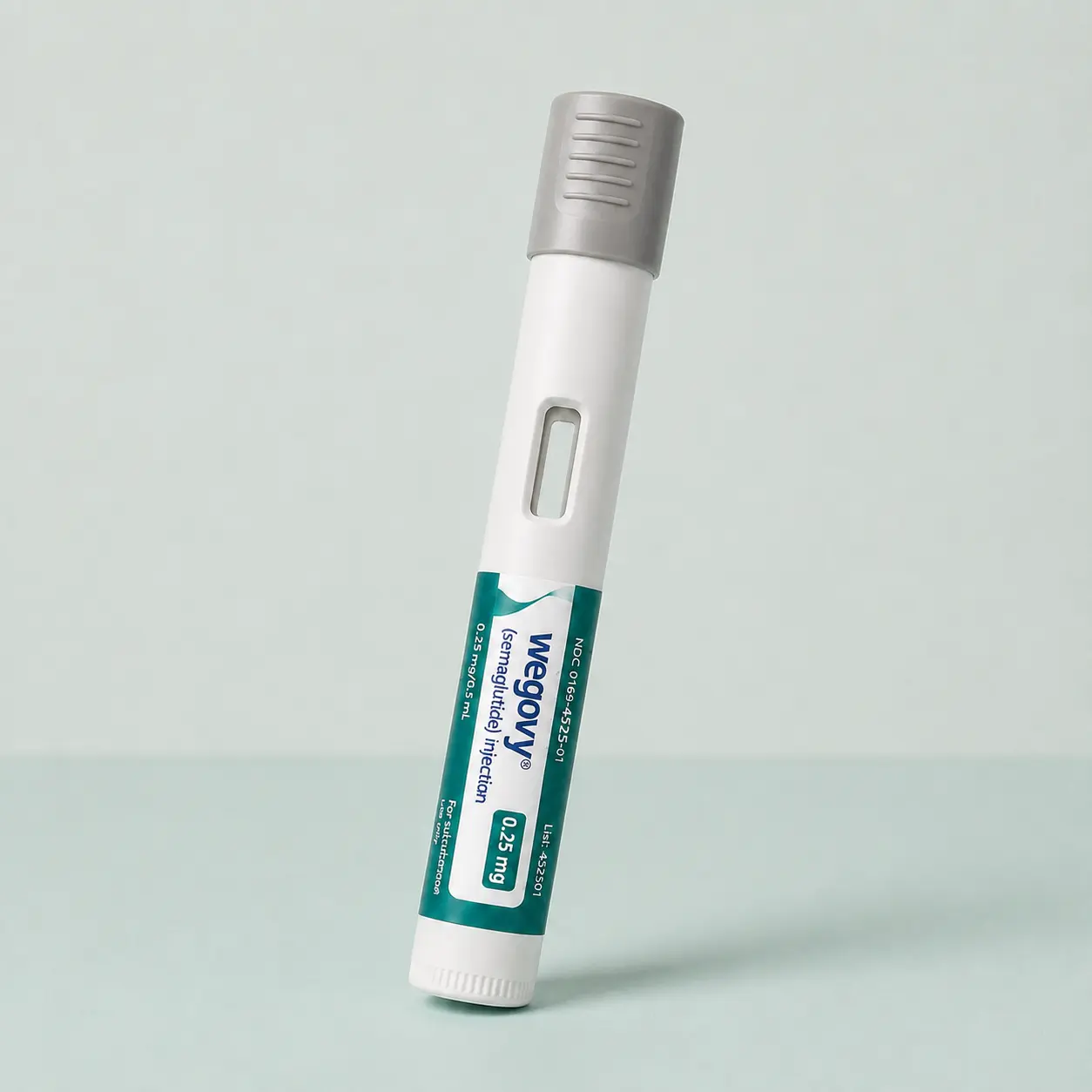
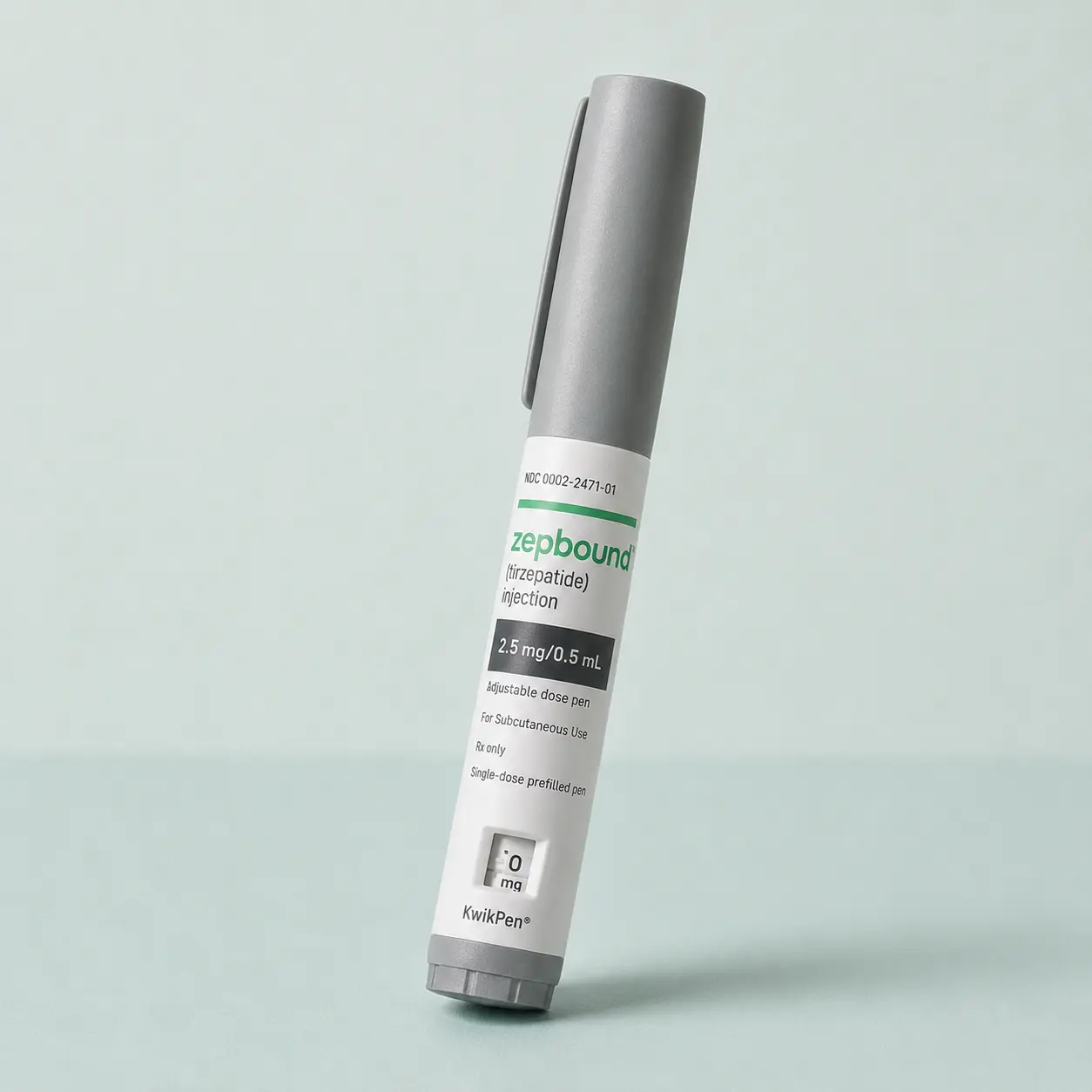
Obesity is a long-term health condition. It has to do with how your body handles energy and hunger. Willpower isn't the problem. Like other long-term conditions, it responds well while it's treated. It tends to come back when treatment stops. The evidence for medical treatment is now very good, and very specific.
What it is
Doctors define obesity as a BMI of 30 or above. BMI (body mass index) compares your weight to your height. Medicine is usually considered at a BMI of 30 or more. It's also considered at 27–30 if you have a weight-related condition, like high blood pressure, insulin resistance, or sleep apnea. BMI is a quick screening tool. It can't see muscle, or where your body stores fat. Still, it's the number most treatment decisions are based on.
Hormones control how hungry you feel and how full you get. When you lose weight, those hormones shift to push you to regain it. That's why weight so often comes back after diets that rely only on eating less. It's also why medicines that act on hunger signals changed how obesity is treated.
Who this describes
BMI 30+, or 27+ with a weight-related condition
Weight that returns after repeated diet cycles
Thinking about food all the time ('food noise')
Health problems linked to weight, like prediabetes, high blood pressure, sleep apnea, or joint pain
How it's diagnosed
A clinician makes the diagnosis. They look at your BMI and your health history. When it helps, they also check labs, like HbA1c (average blood sugar), cholesterol, and thyroid. At Zappy, the intake asks for exactly this. A U.S.-licensed clinician reviews it within 24 hours. They only prescribe medicine if it's medically right for you.
Your treatment options, honestly
Lifestyle change (the base for everyone, but not enough on its own for most)
Eating plenty of protein and doing strength training protect your muscle and health, whatever else you do. But used alone, it rarely keeps weight off long term for people with obesity. It works alongside medicine.
GLP-1 / GIP medicines (today's standard medical treatment)
GLP-1 medicines act on the parts of your brain that control hunger. They also slow down how fast food leaves your stomach, so you stay full longer. Tirzepatide also acts on a second hormone, called GIP. A clinician decides whether one fits you, and which one.
Bariatric surgery (biggest effect, biggest step)
Weight-loss surgery changes your stomach so you eat less. Commonly cited results are ~25–30% of total body weight for gastric bypass and ~20–25% for sleeve surgery. The loss lasts past five years. Surgery is still the benchmark for severe obesity. But it's a bigger step than most people need at the start. We don't do surgery. We'll tell you when it's worth talking about.
The usual guide is a BMI of 30+, or 27+ with a weight-related condition. BMI alone doesn't decide it, though. You fill out a short online intake, and a clinician reviews your case.
Is it safe long term?
GLP-1s carry a boxed warning (the FDA's strongest warning) about thyroid C-cell tumors in rodents. No one knows yet if this applies to people. People with a personal or family history of medullary thyroid carcinoma or MEN 2 should not take GLP-1s. Past about 4 years, we just have less data, and we say so.
What happens if I stop?
Weight often comes back after people stop. That's how long-term conditions work. It isn't a personal failure. It's why stopping needs a plan. That can mean lowering the dose slowly, staying on a smaller maintenance dose, and habits that protect your muscle.
Do you take insurance?
No. Zappy is cash-pay on purpose. Most insurance doesn't cover weight-loss medicine anyway, and regular Medicare can't cover it by law, apart from a temporary program for some brand-name medicines. We accept FSA/HSA cards.