On this page
A GLP-1 is a recurring cost rather than a one-time purchase. When people stop taking these drugs, much of the lost weight usually comes back. So the honest question is what a year costs, not a month. The answer depends much more on which route you take than on which drug you take.
There are three routes, and the price gap between them has almost nothing to do with the medicine itself. It comes from the label on the vial, a 2003 law, and whether your employer chose to cover it. This page is the map, and the linked guides go deeper. Current prices are always on the treatment pages, so check there before you do any math.
The short version:
- There are three routes: a compounded preparation, a brand-name product bought through the drug maker’s direct-pay program, or a brand-name product your insurance covers.
- Many commercial plans exclude weight-loss GLP-1s, and by law regular Medicare Part D can’t cover them for weight loss. A temporary Medicare program, set to run through 2027, is a narrow exception.
- Both drug makers now run their own cash-pay programs. If you don’t have coverage, that’s the price that matters, rather than the retail counter price.
- You can use FSA or HSA money for cash-pay GLP-1 care, which saves you roughly your tax rate.
- Budget for at least a year. This is a maintenance medication, and maintenance means a monthly bill.
The sticker prices
There are two drugs, sold in several forms:
- Compounded semaglutide. Semaglutide prepared by a 503A pharmacy, and not FDA-approved. Zappy’s current monthly price is listed on the semaglutide page.
- Compounded tirzepatide. Tirzepatide prepared by a 503A pharmacy, and not FDA-approved. It has its own price, on the tirzepatide page.
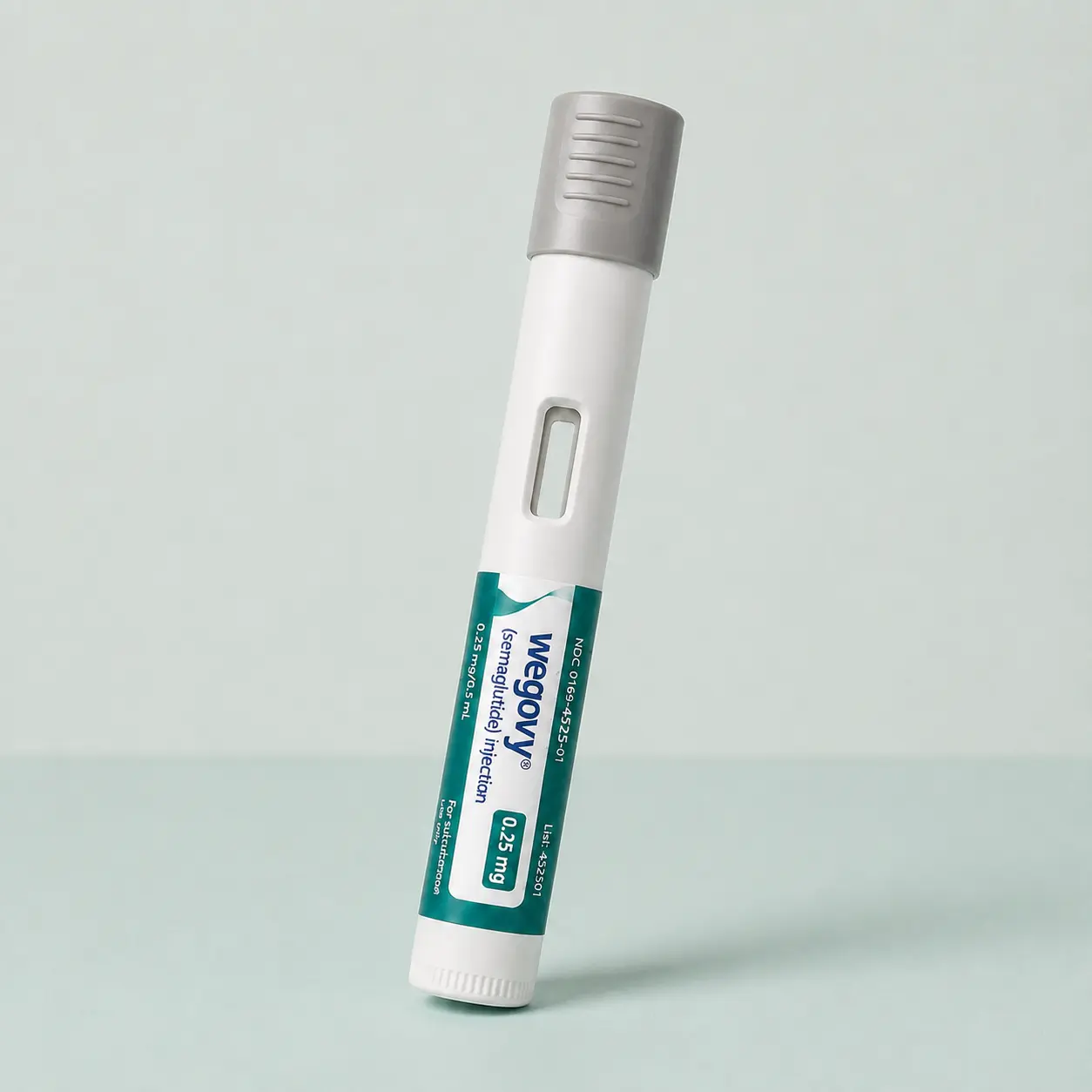
- Wegovy and the Wegovy pill. Novo Nordisk’s FDA-approved semaglutide, as a weekly pen or a once-daily pill, sold directly through its cash-pay program, NovoCare® Pharmacy. The Wegovy and Wegovy pill pages have current prices.
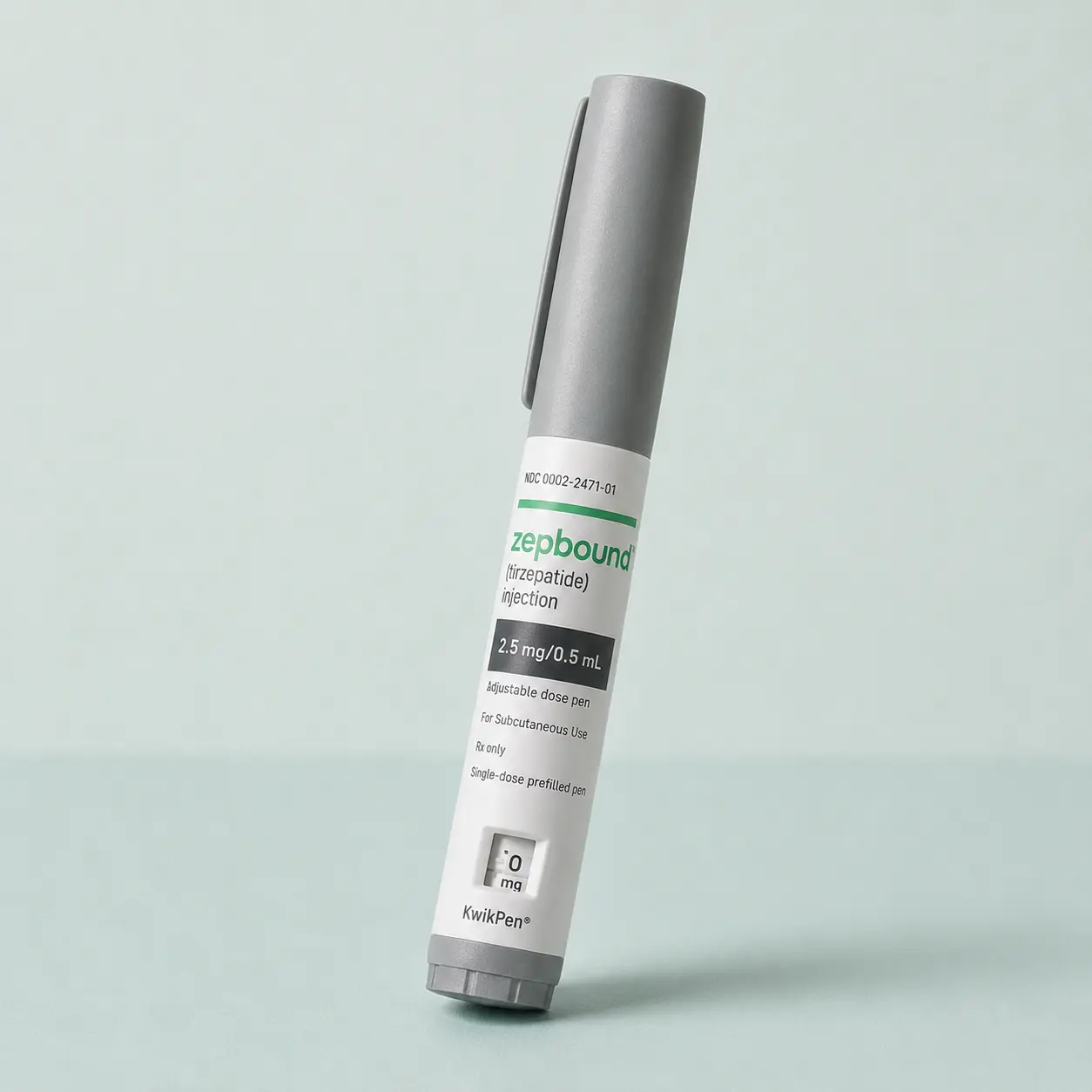
- Zepbound. Eli Lilly’s FDA-approved tirzepatide, as pens or single-dose vials, sold directly through LillyDirect. The Zepbound and Zepbound vials pages have current prices.
If you get a brand-name product through Zappy, you pay the drug maker’s price for the medication, and a Zappy care membership is billed on top. The compounded prices include the clinician care and shipping.
Watch the math on brand-name injections. Each box of Wegovy or Zepbound is a 28-day supply, so a year takes 13 fills, which adds a thirteenth month to your annual bill.
If you’ve searched “how much does semaglutide cost” and gotten answers that don’t agree, it’s because three different numbers are in circulation. List price is the manufacturer’s official price. It’s what someone without insurance is quoted at a retail pharmacy counter. Copay is what you pay if your insurance covers the drug. For weight loss, it usually doesn’t. Cash price is what drug-maker programs, telehealth companies, and compounding pharmacies charge you directly, with no insurance involved. All three numbers are real, but they answer different questions. Most of the confusion online comes from quoting one where another belongs.
The cash price is the one that has changed most. Novo Nordisk and Eli Lilly both launched direct-pay programs for people without coverage. They’re called NovoCare® Pharmacy and LillyDirect. They’re priced well below the retail figure you’ll still see in older articles. If you’re comparing routes without coverage, compare against those programs rather than list price. For what actually differs between the vial and the pen, see compounded vs branded.
What changes between compounded and branded
The two are priced on different business models. Neither company is simply being more generous. A branded pen comes with FDA approval of the finished product, the drug maker’s supply chain, and the pen itself. That’s what the price pays for. It’s worth having. A compounded preparation is made for your prescription by a U.S. 503A compounding pharmacy. It is not FDA-approved. Its price is based on pharmacy costs.
“503A” is worth explaining once. It’s the section of federal law covering state-licensed pharmacies that prepare a medication for one patient from one prescription. It’s the same legal category as a pharmacy turning an adult tablet into a liquid for a child. Zappy works with LegitScript-verified 503A pharmacies. LegitScript adds an independent check of licensing and sourcing on top of state oversight.
What you give up is real. Compounded preparations are not FDA-approved products. The finished compounded vial never went through the FDA approval process that the branded pen did. You also trade the fixed-dose pen for a vial and syringe, which means measuring each dose yourself.
Here’s advice that goes against our own interest. If your insurance covers a brand-name product at a reasonable copay, use that coverage. The drug maker’s supply chain and FDA approval are worth having when someone else pays.
For what the monthly price covers, see what compounded semaglutide really costs.
Your insurance may say no
Commercial coverage for weight-loss GLP-1s varies from employer to employer, and often the whole class is excluded. The reason is money. So many adults meet the BMI criteria that covering these drugs across a whole workforce would be expensive. Many employers decline to take that on.
Here’s the part that confuses everyone. The same drug is often covered when the diagnosis code says type 2 diabetes. It’s denied when the code says obesity. You might pay a modest copay for the diabetes prescription and get quoted close to list price for the weight-loss one. It’s the same semaglutide with a different code. That’s benefit design, and it has nothing to do with medicine.
When coverage does exist, it comes with conditions. You may need prior authorization (approval from the plan before it pays) and records of your BMI. Some plans also make you try an older drug first.
Checking your plan takes one phone call and three questions. Is Wegovy or Zepbound on the formulary (the plan’s drug list)? Does the plan cover weight-management drugs at all? And what does prior authorization require? For the five questions to ask and what prior authorization usually requires, see the GLP-1 insurance coverage guide.
Medicare: the law says no, with narrow exceptions
Medicare Part D can’t cover drugs prescribed for weight loss. It isn’t that it usually doesn’t. It can’t. The 2003 law that created Part D copied Medicaid’s exclusion list. That list includes “agents when used for anorexia, weight loss, or weight gain.” No formulary decision, plan upgrade, or appeal changes that. Bills to lift the exclusion have been introduced repeatedly, and none has passed.
There may be one narrow way in. Wegovy is also FDA-approved to lower the risk of heart attack and stroke in people with established heart disease. Some Part D plans have reportedly started covering it for that use. That’s because the prescription is then for lowering heart risk rather than weight loss. You’d need established heart disease, and it depends on your plan’s formulary. Confirm with your specific plan. Since July 2026, there’s also a temporary exception. Medicare’s GLP-1 Bridge program covers Wegovy and the Zepbound KwikPen for $50 a month for some people with Part D. You need a BMI of 35 or higher, or a lower BMI plus certain health problems, like heart failure, kidney disease, or a past heart attack or stroke. Your prescriber has to get approval first and confirm you’re also on a diet and exercise plan. The program is set to run through December 2027. Rules and dates can change, so check Medicare.gov or call 1-800-MEDICARE to see if you qualify.
Outside those exceptions, weight-loss GLP-1s are still cash-pay on Medicare.
FSA and HSA money works here
Zappy is cash-pay with no insurance involved, and you can use FSA or HSA money. That second part is worth real money. FSA and HSA dollars go in before income tax. So paying with them saves you roughly your marginal tax rate. At a combined 30% federal and state rate, that’s close to a third of the bill back. Check the current health FSA limit for your plan year against your yearly total.
An HSA requires a high-deductible health plan, and its balance rolls over from year to year. FSA money mostly doesn’t, so if you plan to start in January, set your FSA election the fall before. Some plan managers ask for paperwork before approving weight-loss care. Occasionally, that means a letter of medical necessity from the prescribing clinician. For what counts, what to send, and how that letter works, see paying for GLP-1s with FSA/HSA funds.
What a year actually costs
Multiply honestly:
- Compounded semaglutide or tirzepatide: the monthly price on the treatment page × 12, plus anything checkout lists as a separate charge.
- Wegovy, the Wegovy pill, or Zepbound through a drug-maker program: the price of each fill times the number of fills in a year. Injections ship as 28-day boxes, so a year is thirteen fills. That’s a whole extra month people forget to budget for. If you get a brand-name product through Zappy, add the care membership, which is billed separately.
Three checks before you settle on a number:
- Check what later months cost. Some telehealth offers advertise a first-month price that rises as your dose goes up. Ask what month six will cost at your likely maintenance dose.
- Ask what’s included. Are the membership, the medication, clinician visits, dose adjustments, lab work, and shipping bundled into the price or billed separately? Check renewal and cancellation terms too, and get them in writing.
- Budget for a full year. If you stop, the weight usually comes back. Price it like a subscription you intend to keep.
If the annual number works, the next step is eligibility, and it’s a real screen. GLP-1s carry a boxed warning for thyroid C-cell tumors seen in rodent studies. Whether that applies to humans is unknown. They’re contraindicated if you or a family member has had medullary thyroid carcinoma (a rare thyroid cancer) or MEN 2. A history of pancreatitis calls for caution, and they’re not for use in pregnancy. That screen is part of the intake: see if you qualify. A clinician reviews every intake within 24 hours.
The trial nobody has run
Every number above assumes the full dose indefinitely, because that’s all the evidence covers. The studies of stopping compared continuing with stopping cold. No published trial has tested what would actually change this math: a stepped-down maintenance dose. That could mean half the dose after the loss phase, or an injection every ten days instead of seven. We don’t know whether those regimens keep the weight off.
Until a maintenance-dose trial reports, the honest budget is the full monthly price for as long as you want the result. When that trial exists, we’ll rewrite this page.